
PNN – In a report, Reuters stated that precision strikes by Iran have disabled U.S.-linked infrastructure in Persian Gulf nations and disrupted Washington’s war plans.
According to the report of Pakistan News Network; an investigative report by Reuters reveals that since the outbreak of the conflict on February 28, 2026, Iran and its allied forces have carried out at least 135 drone and missile attacks against 84 key U.S. infrastructure sites across the Persian Gulf region. The report notes that these attacks have inflicted significant physical and economic damage and disrupted the operations of several critical facilities.
In a published report, Reuters stated that attacks by Iran and its allied forces have targeted U.S. infrastructure in Saudi Arabia, the United Arab Emirates, Iraq, Qatar, Kuwait, Oman, and Bahrain.
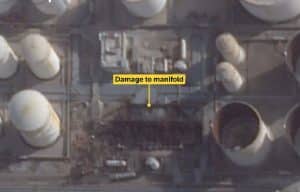
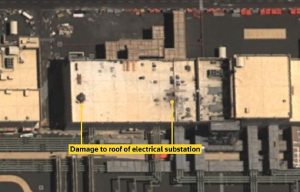
According to the report, the targets of these attacks included oil and gas facilities, airports, pipelines, and strategic equipment associated with American companies. Reuters emphasized that its investigation reveals the precision of the attacks and the consequences resulting from damage to key equipment at vital economic hubs in the region.
Disruption to Oil and Gas Infrastructure
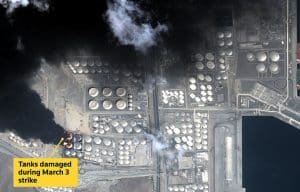
Reuters highlighted the targeting of oil transmission and handling systems in Fujairah, United Arab Emirates—a strategic port located outside the Strait of Hormuz—as a significant instance of these attacks; the agency noted that operations there were disrupted for several weeks.
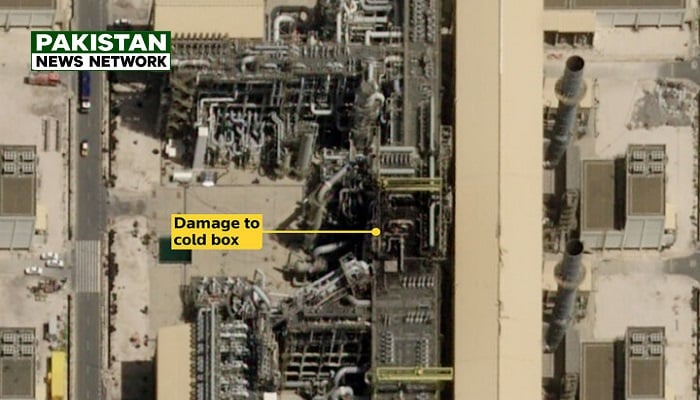
According to this report, cooling equipment at the Ras Laffan liquefied natural gas (LNG) facilities in Qatar was also targeted. This equipment plays a role in the process of cooling and liquefying the gas.
Reuters also reported that airports in at least four countries in the region were targeted, while in Saudi Arabia, repeated attacks were carried out against airports and oil pipeline pumping stations. According to the news agency, damage to one pumping station—along with harm caused to two others—disrupted oil transport along one of the alternative routes to the Strait of Hormuz.
Economic and Military Consequences of the Attacks
Pointing to the damage inflicted on critical regional infrastructure, the report assesses that the targeted strikes on sensitive equipment have had consequences extending beyond direct military damage, impacting economic activities and energy exports.
Reuters also identified these attacks as a factor that has enabled Iran to increase the economic and strategic costs of the war for the United States and the Zionist regime. According to the news agency, the vulnerability of the centralized, strategic infrastructure in regional countries has also highlighted the limitations in protecting such facilities against precision attacks.
Overall, the Reuters report indicates that attacks on critical economic infrastructure linked to the United States have become a significant dimension of the war—a dimension that, beyond its military implications, also impacts energy production and transmission, as well as the economic costs for countries in the region and their Western allies.