
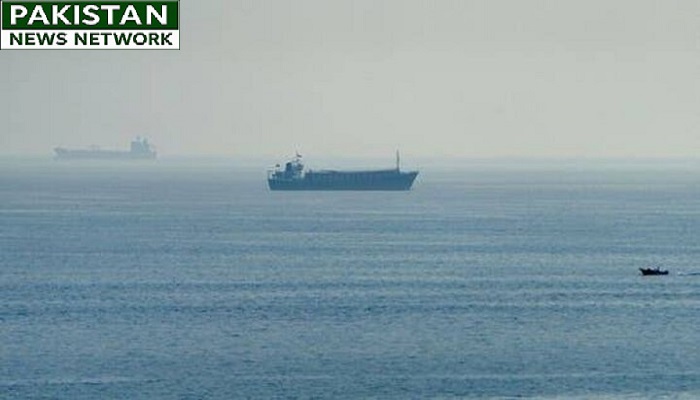
PNN – Politico reported that data regarding oil tanker traffic through the Strait of Hormuz contradict claims made by the U.S. President.
According to the report of Pakistan News Network; Politico stated in a report that the Trump administration claims the Strait of Hormuz remains open for trade and that oil tanker traffic is proceeding; however, market trackers present a less optimistic picture.
U.S. President Donald Trump has repeatedly claimed that oil is flowing freely through the Strait of Hormuz. On Monday, he told reporters at the White House that he has full control over the Strait and that we are moving millions of barrels of oil a week out of there.
Trump asserted: The Strait is open, and oil prices are falling—and will continue to fall—unless we decide to take more drastic action than we already have.
However, experts say the Trump administration’s figures cannot be trusted, as there is no data showing the actual volume of oil moving through the Strait of Hormuz.
In this vein, US Energy Secretary Chris Wright has claimed that approximately 9 million barrels of oil pass through the Strait of Hormuz daily.
Matt Smith, Director of Commodity Research at Kpler—a leading firm that tracks tanker movements—said: It seems Wright is just pulling a number out of thin air.
He added: The reality is that Iran holds the leverage; Iran is in control. The only tankers that actually pass through the Strait of Hormuz are those traversing Iranian waters.
The total volume of global crude oil available on any given day determines the price of oil, which in turn shapes food prices, transportation costs, consumer expenses, and more. In short, the more crude oil that moves, the better it is for affordability across the board—a boon for politicians campaigning on this issue ahead of the November elections.
Before the war, an average of approximately 140 vessels passed through the strait daily, transporting fertilizer, aluminum, liquefied natural gas, helium, and about 20 million barrels of crude oil. According to data from the commodity tracking firm Kpler, only three vessels passed through the strait on Sunday. Kpler found that a total of just 95 vessels traversed the strait last week.
Oil markets are showing signs of growing fatigue regarding U.S. government promises of a return to normalcy. Global oil prices—which have repeatedly dipped over the past five months based on optimistic forecasts from Trump and other administration officials—actually rose following a post by Wright regarding covert ship movements.
Global crude oil prices reached approximately $90 per barrel on Monday. Meanwhile, the average price of a gallon of gasoline in the U.S. is rising; according to AAA, it hit $4.067 on Monday, marking a recent high.
Tracking the number of oil tankers exiting the Strait of Hormuz is certainly challenging; vessels switch off their transponders to avoid detection, and satellite imagery is disrupted in some areas. However, Smith noted that organizations like Kpler have now had months to adapt to the new operating environment and adjust their methods accordingly.