
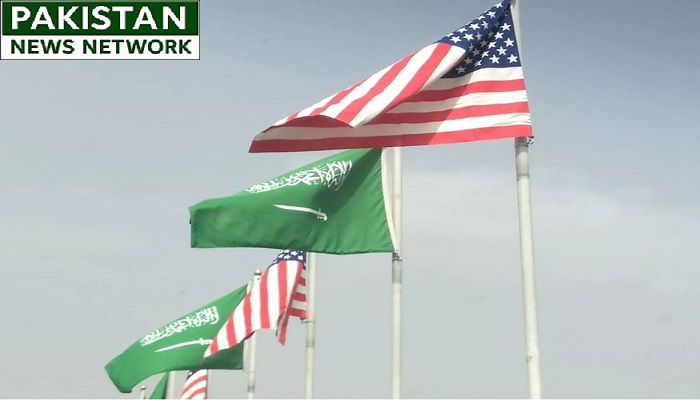
PNN – An imminent agreement between the United States and Saudi Arabia regarding the development of the latter’s civilian nuclear program has sparked a wave of concern in Israeli circles.
According to the report of Pakistan News Network; citing the news and analysis website “Nas,” Zionist media—quoting a source within the occupying regime—reported that this agreement reflects a “decline in Israel’s standing with the US administration.” Previous US administrations had conditioned any nuclear deal with Saudi Arabia on progress toward normalizing relations with Israel, a stipulation that is no longer part of the current agreement.
Based on this analysis—and according to the cited source—decoupling the issue of Saudi Arabia’s nuclear program from the normalization process means losing one of the most critical leverage points Tel Aviv had counted on to compel Riyadh to establish formal relations.
Michal Yaari, an Israeli analyst specializing in Gulf affairs, believes that from the regime’s perspective, this agreement represents an unprecedented move; it grants Saudi Arabia the right to develop a peaceful nuclear program without linking it to any political progress with Israel—a factor that could diminish Riyadh’s incentive to pursue normalization.
According to an analysis by this Arab outlet, the agreement includes provisions allowing Saudi Arabia—following joint studies with the U.S.—to enrich uranium or reprocess plutonium on its own soil under specific conditions; these terms involve oversight arrangements that differ from those previously imposed on other nations, such as the UAE.
An analyst for the site notes that Zionist experts believe these provisions could grant Saudi Arabia the technical capabilities needed to pursue a military nuclear program should it decide to shift course—even though the agreement explicitly states the project is intended for peaceful purposes.
In contrast, based on the aforementioned analysis, experts point out that this agreement will yield significant benefits for Saudi Arabia; it enables the country to generate electricity using nuclear energy, thereby allowing for a reduction in domestic oil consumption and an increase in oil exports.
The report further notes that analysts have warned this agreement could open the door to a nuclear arms race in the Middle East—particularly in light of earlier statements by Saudi Crown Prince Mohammed bin Salman, who asserted that if Iran were to acquire nuclear weapons, Saudi Arabia would also seek to obtain them. Experts also believe that such a development could prompt other regional nations, such as Egypt and Turkey, to pursue similar nuclear programs, thereby further complicating the security landscape in the Middle East.