
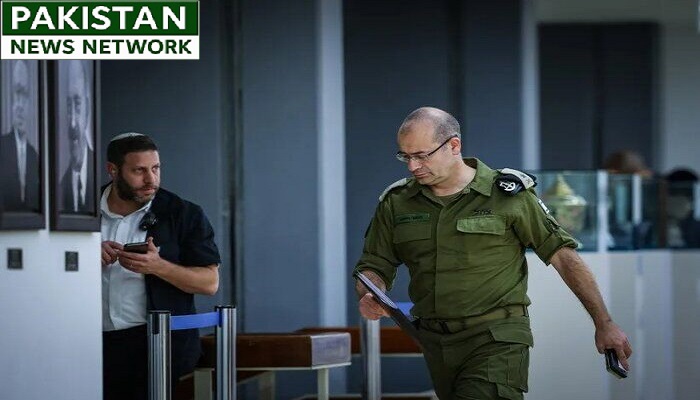
PNN – The new head of Mossad has created a wave of concerns and disagreements within the Israeli spy agency by initiating a broad review of the organization’s structure, missions, and operational mechanisms.
According to the report of Pakistan News Network, the Zionist newspaper “Ma’ariv” reported that since taking office, Roman Goffman, the new head of the Mossad, has begun a broad process to review the organization’s structure, tasks, operational methods and management mechanisms, and is seeking to reexamine many of its past practices.
According to the report, this move is, on the one hand, an attempt to compensate for the Israeli regime’s intelligence failures and rebuild its security structure, and on the other hand, it has increased concerns about the consequences of these costly and controversial changes.
Meanwhile, the new Mossad chief has formed a five-member advisory council of Israeli army commanders as experts outside Mossad to advance this process, which, according to informed sources, is an unprecedented move in the organization and has led to dissatisfaction among a number of senior internal managers and officials.
Critics warn that the entry of people outside Mossad into strategic decision-making levels could increase internal tensions in the organization and disrupt the decision-making process.
At the same time, the new Mossad chief is reviewing the results of the investigation into the Israeli security failures of October 7, 2023 (Operation Storm al-Aqsa) and rejecting the reports presented by former Mossad chief David Barnier.
Goffman has also stopped some operations even though they were about to be carried out, citing doubts about the objectives, method of execution, and operational feasibility. This has also fueled internal divisions within the agency.
Meanwhile, the appointment of a senior official known as “K” in the operations department as the right-hand man of the Mossad chief and directly responsible for all operational activities of the organization has also sparked widespread debate within the organization and has led to mixed reactions from supporters and critics.
Despite these developments, the Iran case remains the top priority for Mossad, and the bulk of the agency’s resources and focus are expected to remain on monitoring Iran’s nuclear program and related developments.
However, the new Mossad chief is simultaneously seeking to redefine the scope of the agency’s missions in other areas, including countering “delegitimization campaigns” against the regime around the world.